
Exploring the differences between online and offline gambling environments
Understanding Online Gambling
Online gambling has revolutionized the way players interact with games and betting platforms. With just a few clicks, individuals can access a wide range of games, from poker to slots, all from the comfort of their homes. In fact, the convenience of online gambling allows players to engage at any time, enhancing its appeal significantly. Many users often cite reviews and comparisons, much like the lumoraprimex.com review, to make informed decisions. Enhanced technology, including mobile applications, has further enabled users to gamble on the go, making it a flexible choice for many.
Moreover, online platforms often provide players with generous bonuses and promotions, which are less common in traditional brick-and-mortar casinos. These incentives are designed to attract new customers and retain existing ones, creating a competitive atmosphere that often benefits players. The ability to gamble anonymously online is another appealing factor, as it allows individuals to enjoy their favorite games without the pressures associated with physical casinos.
Exploring Offline Gambling
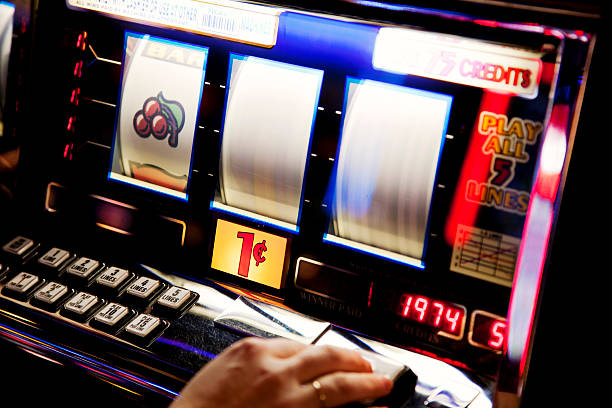
Offline gambling, often epitomized by traditional casinos, offers a sensory experience that online platforms cannot replicate. The ambiance of a bustling casino, with its sounds, lights, and live interactions, creates an atmosphere of excitement and anticipation. Players engage not only with machines and tables but also with other gamblers, fostering a social environment that many find appealing.
In-person gambling also brings the thrill of immediate rewards. Winning a jackpot at a physical slot machine or table can evoke a rush of adrenaline that is hard to duplicate online. Additionally, many players appreciate the ritualistic aspects of visiting a casino, such as dressing up, dining at restaurants, and experiencing live entertainment, which contribute to a unique outing.
Comparative Advantages of Each Environment
Both online and offline gambling environments present unique advantages. Online gambling offers unparalleled convenience and accessibility, allowing players to bet from any location without the need for travel. The vast selection of games available online means that players can often find options that suit their preferences more easily than in a physical venue.
Conversely, the immersive experience of offline gambling cannot be overlooked. The social interactions and the palpable excitement of a casino environment often draw players seeking a more engaging experience. Additionally, offline casinos may attract high-stakes players who relish the prestige associated with in-person betting and the potential for significant winnings.
Technological Innovations Impacting Gambling
The rise of technology has significantly impacted both online and offline gambling environments. Online platforms continuously evolve, introducing advanced features such as live dealer games, augmented reality, and virtual reality experiences. These innovations aim to bridge the gap between online and offline experiences, offering players a sense of being in a real casino while gambling remotely.
On the other hand, offline casinos are also adopting technology to enhance the experience. Many establishments now incorporate digital interfaces, self-service kiosks, and mobile applications to facilitate smoother transactions and improve customer service. This integration of technology serves to attract a younger demographic while still retaining traditional elements that long-time gamblers cherish.

Future Trends in Gambling
As the gambling landscape evolves, both online and offline environments are likely to see continued growth and transformation. Trends such as increased regulatory acceptance of online gambling and the development of crypto-casinos may shape the future of online betting. Enhanced security measures and responsible gambling initiatives will also play critical roles as platforms strive to create safer environments for users.
In the offline realm, the fusion of entertainment and gambling will likely continue to expand. Casinos are increasingly positioning themselves as entertainment hubs, offering a variety of attractions beyond traditional gaming. As competition rises, both online and offline gambling will need to innovate and adapt to meet the changing preferences of players, ensuring that they remain relevant in an ever-evolving market.